Bedding & Style
Building a Layered Bed Around Libeco Linen Duvet Covers
A beautiful bed doesn’t need to look like it arrived as a perfectly matched set. Start with the character of a Libeco linen duvet cover, then bring in sheets, pillows, and a lighter blanket that complement its texture and pattern. The result can feel considered and inviting—with enough contrast to make every layer count.
Let the duvet cover set the mood
A duvet cover is often the largest textile on the bed, so it naturally becomes the visual anchor. With linen, that first impression comes from more than color. The fabric’s relaxed surface, soft-looking drape, and subtle irregularities bring a sense of ease to the room. A striped design adds another element: a clear pattern that can guide the rest of the styling without dictating every choice.
Libeco designs such as Sisco, Guest House Stripe, Canal Stripe, Workshop Stripe, and San Gabriel Stripe offer different ways to work with linen and pattern. A stripe may feel crisp and graphic, quiet and tonal, or somewhere in between, depending on its scale and contrast. Before adding anything else, take a moment to notice the cover’s dominant color, the secondary stripe, and the overall weight of its pattern. Those details can help you choose supporting pieces that feel connected rather than competing.
The goal isn’t to make every piece repeat the same stripe or shade. It’s to give the eye a clear place to land, then add a few thoughtful variations. A solid sheet can provide a calm base; a tactile pillow cover can introduce a different weave; a folded blanket can bring in a quieter color. The bed feels layered because the pieces have distinct roles, not because there are more of them.
Choose sheets that make the pattern feel intentional
Sheets sit beneath the duvet, but they still matter to the finished look—and to nightly comfort. If your duvet cover has a noticeable stripe, solid sheets are usually the easiest place to begin. Choose a shade drawn from the cover itself: a soft white, warm neutral, muted gray, or one of the gentler colors within the pattern. This creates a quiet connection between the layers without turning the bed into a color-matching exercise.
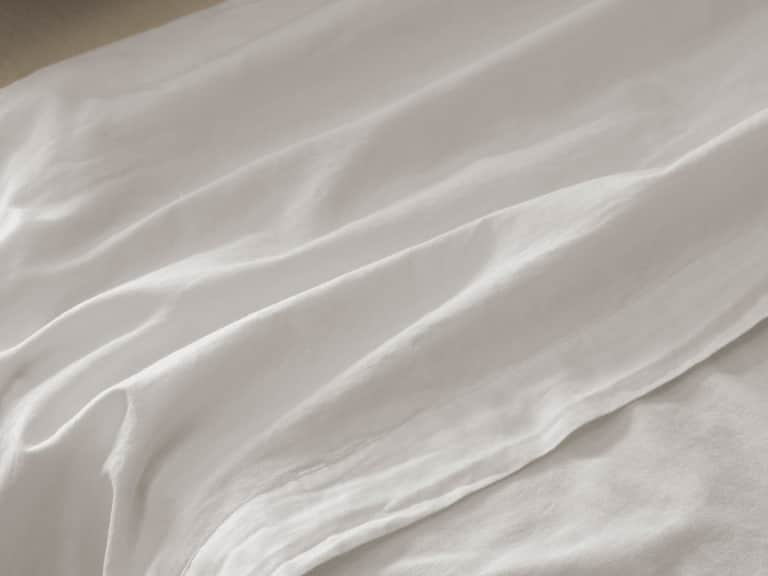
Texture can do the work that an extra pattern might otherwise do. Linen sheets echo the duvet’s natural character, creating a relaxed, cohesive bed. Cotton voile offers a different kind of softness and a more delicate surface. For example, the Miro Plain Bed Sheet is made from two layers of same-color cotton voile, giving it a soft feel and a tonal look. It can be a useful contrast alongside more visibly textured linen: the colors can stay harmonious while the fabrics offer a gentle change in hand and appearance.
Think about how much of the sheet will show. A neatly made bed with the duvet pulled high may reveal only a slim band at the top. A turned-down duvet exposes more of the sheet, so its color and finish become more prominent. If you like to fold the cover back, choose a sheet that looks appealing on its own and coordinate the pillowcases with it for a composed edge near the head of the bed.
Comfort should lead the decision. A bed can be styled with breathable layers, but no color story compensates for a fabric that feels wrong to sleep in. Consider your usual room temperature, preferred softness, and laundry habits. Natural fibers such as linen and cotton have different textures and care needs; neither has to be the automatic choice. The right base is the one you’ll enjoy using regularly.
Mix pillow shapes and textures with a light hand
Pillows are where a layered bed can gain personality—or start to feel overcrowded. Begin with the pillows you actually use for sleeping, dressed in cases that relate to the sheets or duvet. Then, if you want a more styled finish, add a modest number of decorative pillows. A mix of shapes can create depth, but every additional cushion should earn its place in the routine.
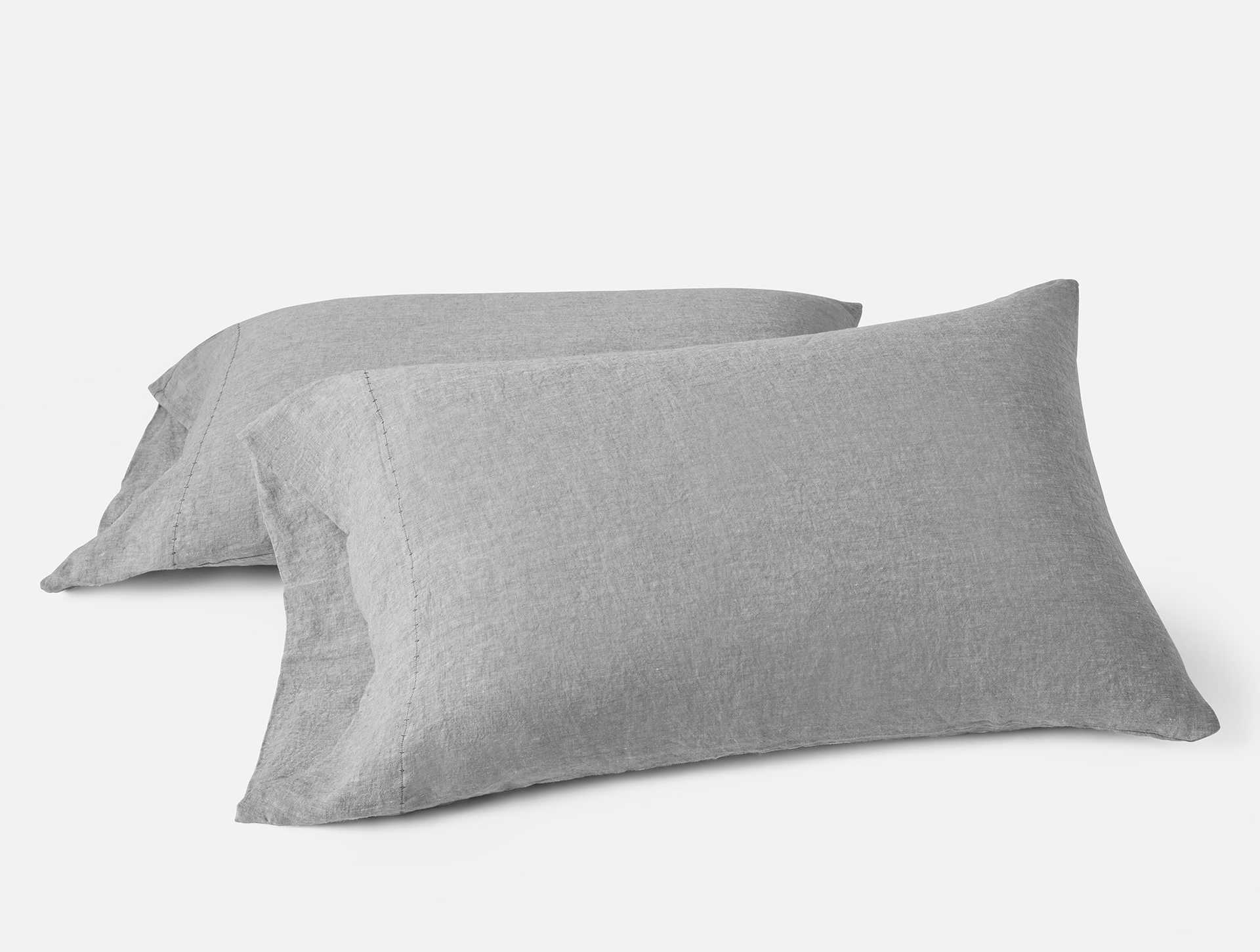
For a striped duvet, solid pillow covers are an especially reliable choice. A textured linen cover can repeat the duvet’s natural feel without copying its design. A smooth, plain fabric can give the pattern a little breathing room. Or choose a simple stripe in a different scale only if the two patterns feel distinct enough to avoid looking almost—but not quite—matched. When in doubt, let one pattern lead and keep the others quiet.
A Libeco piece such as the Propriano Pillow Cover can introduce a complementary linen texture. Made from 100% linen with a washed finish, it is designed to develop a softer patina with use. Its understated material character can work alongside a striped duvet without requiring another prominent motif. The cover is intended for a standard insert, which is sold separately, so check the dimensions of your insert before planning the arrangement.
For a calm arrangement, place practical sleeping pillows at the back and add one or two decorative cushions in front. If the duvet pattern is bold, keep the front pillows especially simple. If the duvet is pale or finely striped, a contrasting pillow cover can provide a small focal point. The aim is a bed that still looks welcoming when the decorative pillows are removed at night—not a display that depends on a complicated stack.
Add a lighter layer for comfort and flexibility
A blanket or coverlet folded across the lower part of the bed adds another line, another texture, and a practical option when the room feels cool. It can also soften the visual effect of a large duvet, especially if the duvet has a strong stripe or a substantial, rumpled appearance. Look for a lighter layer that works with the bed’s palette without repeating the cover’s pattern exactly.
One approach is to choose a plain blanket in a color already present in the duvet. Another is to introduce a quiet contrast: a warm neutral beside a cooler stripe, or a pale layer that gives darker bedding a little lift. For visual balance, keep the blanket’s texture distinct but not overly busy. A fine, smooth surface can offset a more pronounced linen weave; a subtle woven texture can add depth to a simple duvet.
Placement affects the mood. A crisp fold across the foot of the bed feels tailored. A looser drape looks more casual and makes the room feel less formal. Either can work, and there is no need to keep the fold perfectly symmetrical if a relaxed finish suits your space. Just make sure the layer is easy to lift off, fold, and use when you need it.
For changing seasons, think in terms of adaptable layers rather than one fixed arrangement. Keep breathable sheets close to the body, then adjust the duvet and lighter blanket to match the temperature. Linen’s texture can make it feel at home throughout the year, but comfort depends on the whole bedding combination, the duvet insert, and the room—not on one fabric alone.
Build a palette with a simple color plan
A restrained palette makes it easier for contrasting textures to stand out. Start with the duvet’s main color, then select one or two supporting shades. For example, a pale striped cover might sit comfortably with white or natural-toned sheets, a deeper neutral pillow, and a blanket in a softened accent color. With a darker or more graphic stripe, use lighter sheets to create separation and keep the bed from feeling visually dense.
Repeating a color in two different places can tie the composition together. A tone from the duvet might reappear in a pillow cover or a blanket; it doesn’t need to match exactly. Slight differences in shade often make the result feel more natural. Likewise, similar undertones can connect fabrics even when their surface textures are different.
When selecting colors, consider the room beyond the bed. Wall color, flooring, window treatments, and nearby furniture all contribute to the overall effect. A duvet cover doesn’t need to match the room’s other textiles, but it should feel at ease beside them. A small sample or a quick comparison in natural light can help you judge whether colors lean warm, cool, muted, or bright. Indoor lighting can change how shades appear, so try not to decide from memory alone.
If you enjoy a more expressive look, you can add a second pattern, but keep the relationship clear. Pair large stripes with a small-scale, low-contrast motif, or use a nearly solid texture that reads as pattern only up close. Avoid introducing several equally bold designs at once. A little restraint lets the linen’s own surface remain part of the story.
Balance visual appeal with everyday use
Thoughtful bedding is meant to be lived in. Before committing to a particular arrangement, consider how you make the bed, where you keep extra pillows, and how often you wash each layer. A cover that is easy to remove and a set of sheets that suit your usual laundry routine will be more useful than a complicated arrangement that looks lovely only when freshly styled.
Linen care varies by product, so follow the care instructions for the specific cover, sheet, or pillowcase. In general, avoid assuming that every linen item can be washed and dried in the same way. Fiber, finish, construction, and manufacturer guidance matter. Use the recommended water temperature and cycle, avoid overloading the machine, and take care not to over-dry. If a piece calls for a particular method, that direction should take priority over broad rules of thumb.
It’s also worth checking duvet dimensions, closure details, and corner ties where applicable, as well as the size of the duvet insert. A well-fitting cover is easier to arrange and less likely to shift into a bunch at one end. Measure the bed and check pillow dimensions before choosing coordinating pieces. Small practical details can make the finished bed look smoother and make daily use less fussy.
Give every layer a reason to be there. Sheets provide the close-to-skin foundation. The duvet cover protects the insert and carries the main visual statement. Pillowcases support comfort and make the upper part of the bed feel finished. Decorative pillows add texture or a touch of contrast. A lighter blanket gives you an adjustable layer. When those roles are clear, the bed can feel complete without having to feel elaborate.
Three easy ways to style a striped linen duvet
Quiet and tonal
Pair the duvet with solid sheets close to its lightest shade, then add linen pillow covers in a related neutral. Fold a plain blanket at the foot of the bed. The mix stays subtle, while small differences in weave and finish prevent it from feeling flat.
Relaxed and textured
Choose breathable sheets in a calm solid color, use pillows with varied linen textures, and leave the duvet loosely turned down. A soft, understated blanket adds an extra layer without competing with the stripe. Keep the pillow arrangement practical and easy to reset.
Clean and tailored
Let the stripe take center stage. Use smooth, solid sheets, a tidy row of sleeping pillows, and one restrained decorative accent. Finish with a neatly folded blanket in a color already present in the duvet. The contrast feels deliberate without looking overly matched.
A bed that feels collected, not coordinated
The most inviting layered beds often have a little variation. A stripe beside a solid. A soft sheet beneath a more textured duvet. A pillow cover with its own character, placed where it adds rather than interrupts. These differences give the bed depth, while a considered palette keeps the arrangement connected.
Start with the Libeco linen duvet cover you love, whether its appeal lies in a relaxed stripe, a quiet color, or the fabric’s natural texture. Then build outward in practical steps: choose sheets that feel good, select pillows that complement the pattern, and add a lighter layer if it suits your climate and habits. Edit as you go. If a piece draws too much attention, trade it for a quieter texture or a softer shade.
The finished bed doesn’t need to look untouched. Linen is especially at ease in an arrangement that welcomes a little movement and softness. Keep the balance between comfort and appearance, give each fabric room to show its character, and let the layers work together without making them identical. That’s the difference between a bed that looks like a set and one that feels like your own.