The Linen Edit
A Guide to Styling Coyuchi Decorative Pillow Covers
A few well-chosen pillow covers can make a bed feel thoughtfully layered or give a sofa a fresh point of view. The secret isn’t piling on more—it’s playing with texture, proportion, and color, while choosing pieces that fit the way you actually live.
The small detail that changes the whole room
Decorative pillows may be the finishing touch, but they are often the first thing that catches the eye. On a bed, they soften the transition between sleep essentials and the rest of the room. On a sofa, they can bring together a rug, a favorite chair, and the colors already on the walls. A pillow cover is also one of the easiest ways to refresh a space without committing to a new duvet, upholstery, or paint color.
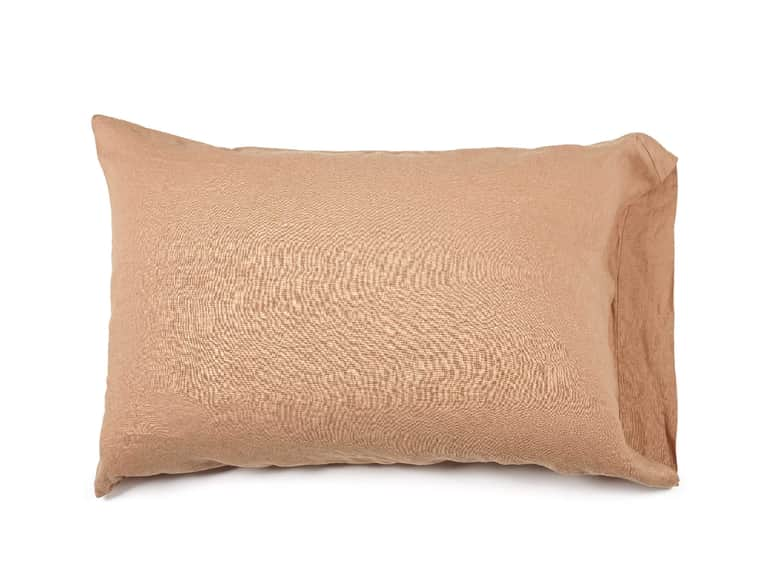
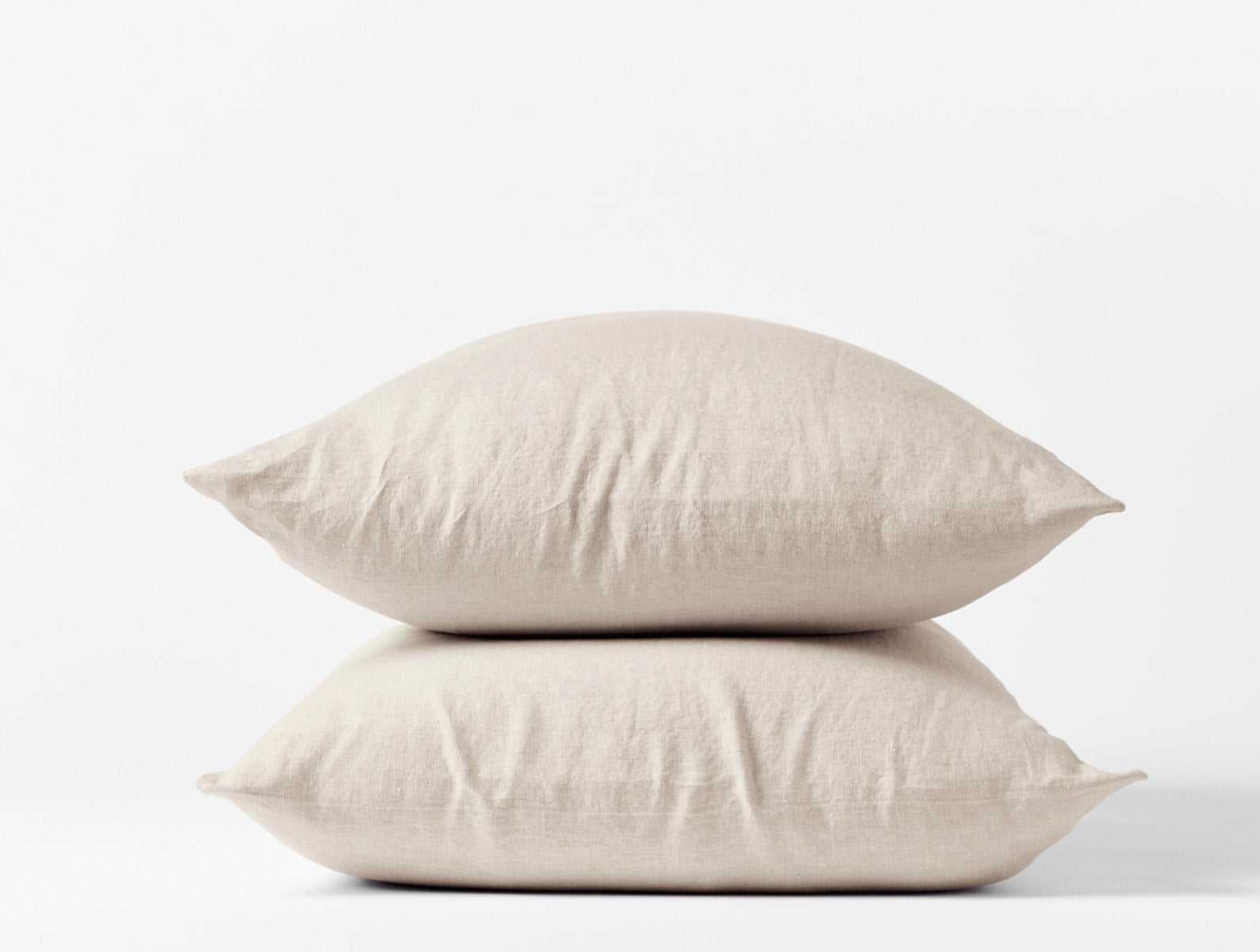
For a relaxed, natural look, linen is an especially appealing choice. Its visible weave and subtle irregularities give a room texture without requiring a loud print or dramatic color. A washed finish can add that comfortably lived-in quality people love in a thoughtfully styled home: polished enough to feel intentional, relaxed enough to feel inviting.
The best arrangements feel personal rather than perfectly matched. Start with the palette and materials already in the room, then use decorative pillow covers to introduce a small surprise—a new shape, a contrast in texture, or a quiet accent shade. The result should look considered, not as if every piece arrived in one coordinated package.
Begin with the room you already have
Before choosing covers, take a quick look at the larger setting. Notice the colors in the bedding, upholstery, rug, curtains, and nearby furniture. There is no need to match every shade exactly. Instead, identify the room’s general direction: warm or cool, light or dark, minimal or layered. That simple read gives you a helpful starting point.
In a calm, neutral room, texture can do more work than color. A softly rumpled linen cover can stand apart from smooth cotton sheets or a tightly woven sofa while staying within the same tonal family. In a room with patterned bedding or a bold rug, a solid cover may provide a welcome pause. The aim is not to make every surface compete for attention; it is to give the eye somewhere comfortable to land.
Accent color works best when it has a reason to be there. Echo a shade already present in a piece of art, a throw, or a patterned rug. If there is no obvious color to borrow, choose one restrained note—perhaps a muted blue, earthy green, or warm clay—and repeat it sparingly. Repetition makes a color feel connected to the room; using it on every pillow can make the arrangement feel too uniform.
- For a quiet palette: vary the fabric surface, not just the shade.
- For a patterned room: use a simpler cover to create visual breathing room.
- For a neutral room: introduce one accent color and let it appear in a small, deliberate way.
Let texture bring the personality
Texture is a subtle styling tool with a surprisingly big effect. A smooth pillow against a nubby throw, for example, makes both surfaces more noticeable. Linen’s natural weave offers character without shine, and its relaxed appearance can balance crisp, freshly made bedding. When a cover has a washed or garment-softened finish, its softened hand and gently casual look can make a formal arrangement feel less stiff.
Think in contrasts, not a collection of near-identical fabrics. If the bed has smooth sheets and a substantial quilt, a softly textured cover can break up the broad surface. If the sofa already has pronounced upholstery texture, choose a cover that adds interest without introducing another competing pattern. A touch of difference is often enough.
One useful approach is to combine three kinds of visual information: a calm base, a noticeable texture, and a restrained detail. The base might be a solid pillow or the surrounding bedding. Texture could come from linen’s weave or a washed finish. The detail might be a narrow stripe, a simple seam, or a small accent color. Not every arrangement needs all three, but this framework can help when a grouping feels flat or overly busy.
Keep the room’s overall mood in mind, too. A casual, rumpled linen cover suits an easygoing bedroom, while a more structured arrangement may benefit from a neatly filled cover and carefully aligned edges. Neither approach is inherently better. The right one is the one that feels at home in your space—and remains comfortable to use.
Play with shape and proportion
A layered bed needs a little variation in scale. If every pillow is the same size and shape, the arrangement can read as a single block. Mixing larger sleeping pillows with smaller decorative cushions creates depth and gives each piece a clear role. Start with the pillows you use nightly, then add a limited number of decorative covers in front. That keeps the bed welcoming rather than turning it into a display that must be dismantled each evening.
On a sofa, proportion matters just as much. A single textured cover can act as a focal point on a smaller seat, while a longer sofa may benefit from a balanced pair or a loose group of varied sizes. Avoid crowding the cushions so tightly that there is nowhere to sit. Decorative styling should make a sofa look inviting, not reduce its usefulness.
Before settling on an arrangement, test it from the doorway and from the place where you usually sit. A grouping that looks balanced up close may appear lopsided across the room. Try moving one pillow slightly, changing which cover sits in front, or removing an extra piece. Often, the simplest edit is the one that makes the whole arrangement click.
Also check the cover dimensions before buying an insert. A cover that is much larger than its insert may look limp; one that is too tight can strain seams or distort the shape. Insert recommendations vary by cover, so follow the manufacturer’s guidance where available. A well-fitting insert helps the cover show its shape and finish, whether you prefer a relaxed look or a fuller silhouette.
Make a bed look layered, not overdone
For a bed, think of decorative covers as the final chapter rather than the whole story. Begin with the sheets and duvet or coverlet, then add the pillows you need for sleeping. Once those essentials are in place, bring in decorative covers selectively. The mix can be as simple as one smaller accent in front of a pair of sleeping pillows, or a broader arrangement that varies the size and finish of each layer.
To keep a linen-led bed from feeling too coordinated, let one element differ. Pair a plain cover with softly textured bedding, or use a subtle pattern against solid sheets. Another option is to stay within a single color family while choosing slightly different tones. Those small variations make a bed feel collected rather than assembled from identical pieces.
There is no rule that says every pillow must be perfectly symmetrical. A balanced pair can feel classic, but a slightly looser grouping can bring warmth and ease. If you favor symmetry, vary texture rather than placement. If you prefer an informal look, keep the palette connected so that the arrangement still feels intentional.
Daily routine deserves a place in the styling plan. If you remove decorative pillows every night, choose a manageable number and make sure there is an easy spot to store them. If you prefer a bed that is simple to reset, keep the arrangement compact. Beautiful bedding is most successful when it works for the people using it, not just for the room’s first impression.
Give a sofa an easy seasonal refresh
A pillow cover can bring a new mood to a sofa without changing the larger furniture around it. In warmer months, a light, breathable-looking linen texture can reinforce an airy feel. When the weather turns cooler, a deeper accent shade or a more substantial-looking fabric can make the seating area feel cozier. This doesn’t require a complete seasonal overhaul; changing one or two covers may be enough.
Think about how the sofa is used. In a busy living room, practical choices matter: covers that can be removed and cared for according to their labels are easier to live with than pieces treated as untouchable. If the space gets frequent use, consider reserving a delicate or especially pale cover for a less exposed seat, or choosing a color that is forgiving of everyday life.
For a cohesive look, connect the pillows to one other element nearby. A cover might pick up a color in a throw, repeat the warmth of a wooden table, or provide contrast against the sofa fabric. The link can be subtle. A room does not need matching accessories everywhere to feel finished; a few thoughtful relationships are more compelling than an exact set.
A practical approach to pillow-cover care
Styling is only half the equation. Covers that suit your care routine are more likely to remain in regular rotation, rather than being saved for an imaginary special occasion. Always check the care label before washing. Fiber content, dye, stitching, and finish can affect the right method, so general linen advice should never replace the instructions for a particular cover.
When machine washing is permitted, sorting by color and using a gentle cycle can help reduce unnecessary wear. Avoid overloading the machine so the fabric has room to move. Use the detergent and water temperature recommended on the label, and follow the stated drying instructions. Some linen covers can be tumble-dried on a low setting; others may call for different handling. Remove covers promptly if the care guidance recommends it.
To help protect texture and color, avoid harsh treatments unless the manufacturer specifically approves them. Bleach, strong stain removers, or excessive heat can affect fabric and finish. If a spill occurs, act in line with the care instructions rather than experimenting with a method that might set the stain or alter the color. For a cover with special trim or an uncertain finish, consult the label or the maker’s care guidance before proceeding.
Storage is worth considering when a cover is out of use. Make sure it is clean and completely dry before putting it away. A dry, breathable storage space helps keep fabrics fresh between seasons. Keeping covers together with their inserts—or noting which insert size belongs to each one—can also make a quick room refresh much easier.
Check the details before choosing a cover
Product descriptions can reveal the small practical facts that determine whether a pillow cover works for your home. Look for the listed dimensions, fiber content, closure style, finish, and care instructions. Confirm whether the listing includes only a cover or also includes an insert. Do not assume that a photograph or product name answers those questions.
Pay attention to how the item is described, but treat performance language thoughtfully. Linen is valued for its characteristic texture and can soften with use, though the exact feel depends on the yarn, weave, finishing, and laundering. A cover’s appearance can also change with natural variations in fiber and dye. If color matching is important, compare the product details carefully and remember that screens can display shades differently.
For a coordinated bedroom, matching is only one option. Decorative covers can complement a sheet set without being made from the same collection or fabric. A similar tone, related texture, or shared design detail may be enough to create a pleasing connection. That flexibility makes pillow covers useful for refreshing a room gradually, using pieces you already own alongside a new accent.
Common styling missteps—and how to avoid them
The first is adding pillows simply because there is room for them. Too many covers can make a bed feel difficult to use or a sofa feel less inviting. Edit the arrangement until each piece has a purpose, whether that purpose is comfort, color, or texture.
The second is relying on exact matching from one end of the room to the other. A coordinated palette can be beautiful, but identical fabrics and repeated patterns may flatten the result. Let one element shift in texture or scale to create a more natural sense of depth.
The third is choosing a cover without checking its size or care. A beautiful cover that does not fit an available insert, or requires upkeep that does not suit your routine, may spend more time stored away than displayed. Read the product details before deciding, and consider where the cover will be used most.
Finally, do not mistake relaxed for careless. A lived-in finish can look polished when the pillow is appropriately sized, the colors relate to the room, and the surrounding arrangement has breathing space. A little intention is what lets casual styling feel effortless.
A simple formula for getting started
If you are starting from scratch, keep the process easy. Choose a calm base, add one cover with a texture you can feel, and decide whether the room needs a restrained accent color or a change in shape. Place the cover where it can be seen, but leave enough room for the bed or sofa to remain comfortable. Then step back and remove anything that seems to be competing for attention.
For an existing room, try a smaller edit. Move a cover from the bed to a chair, pair it with a smoother fabric, or bring in one complementary shade already present elsewhere. Sometimes a refreshed arrangement does not need a new purchase at all. A different placement can make a familiar piece feel newly considered.
Decorative pillow covers are a modest detail, but that is part of their appeal. They can soften a clean-lined room, bring texture to simple bedding, or give a familiar sofa a subtle change of pace. With the right balance of palette, proportion, and practical care, a linen cover can make a room feel finished while still leaving it comfortably, unmistakably lived in.